I.C Developments, Design & Build
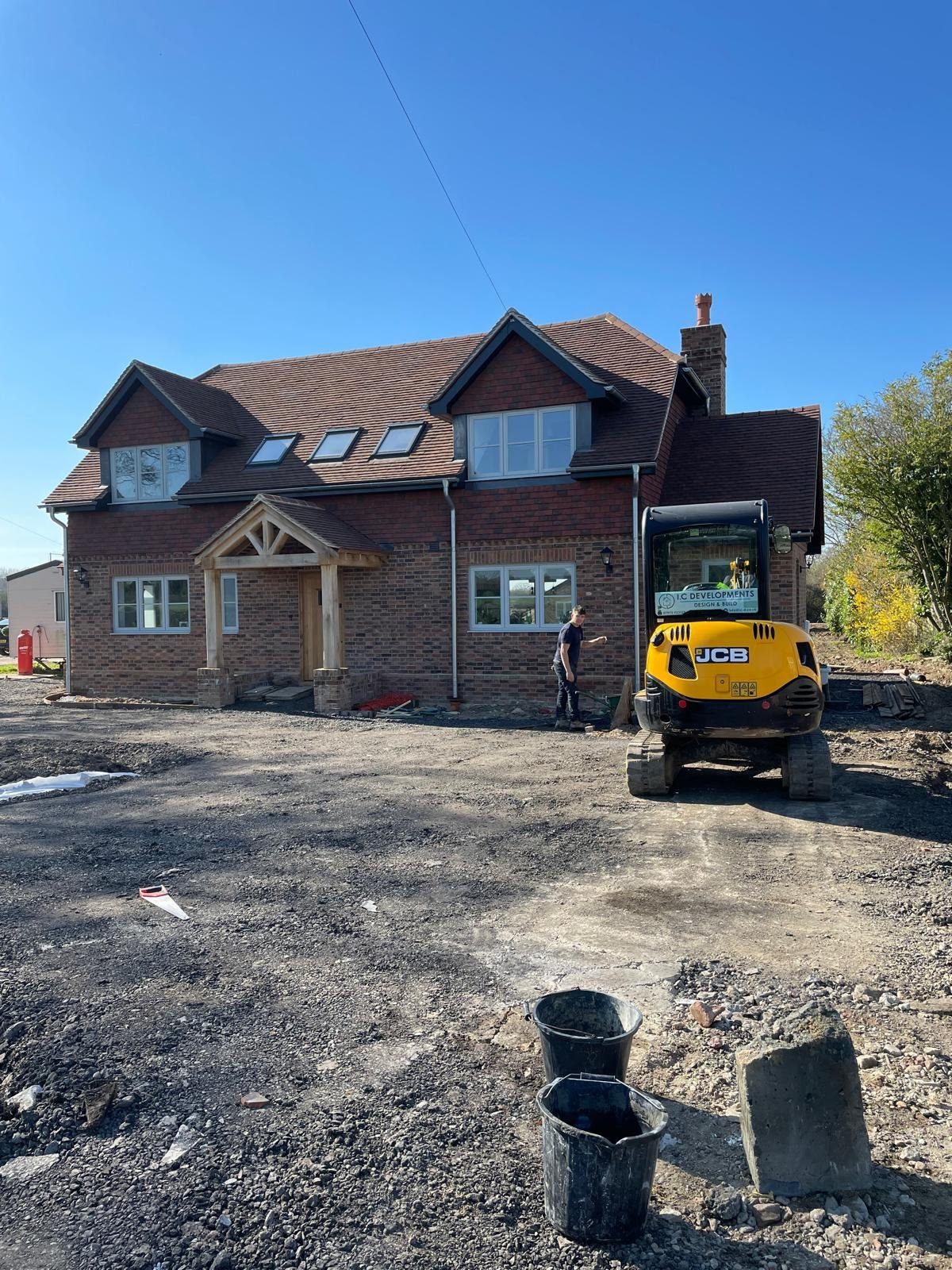
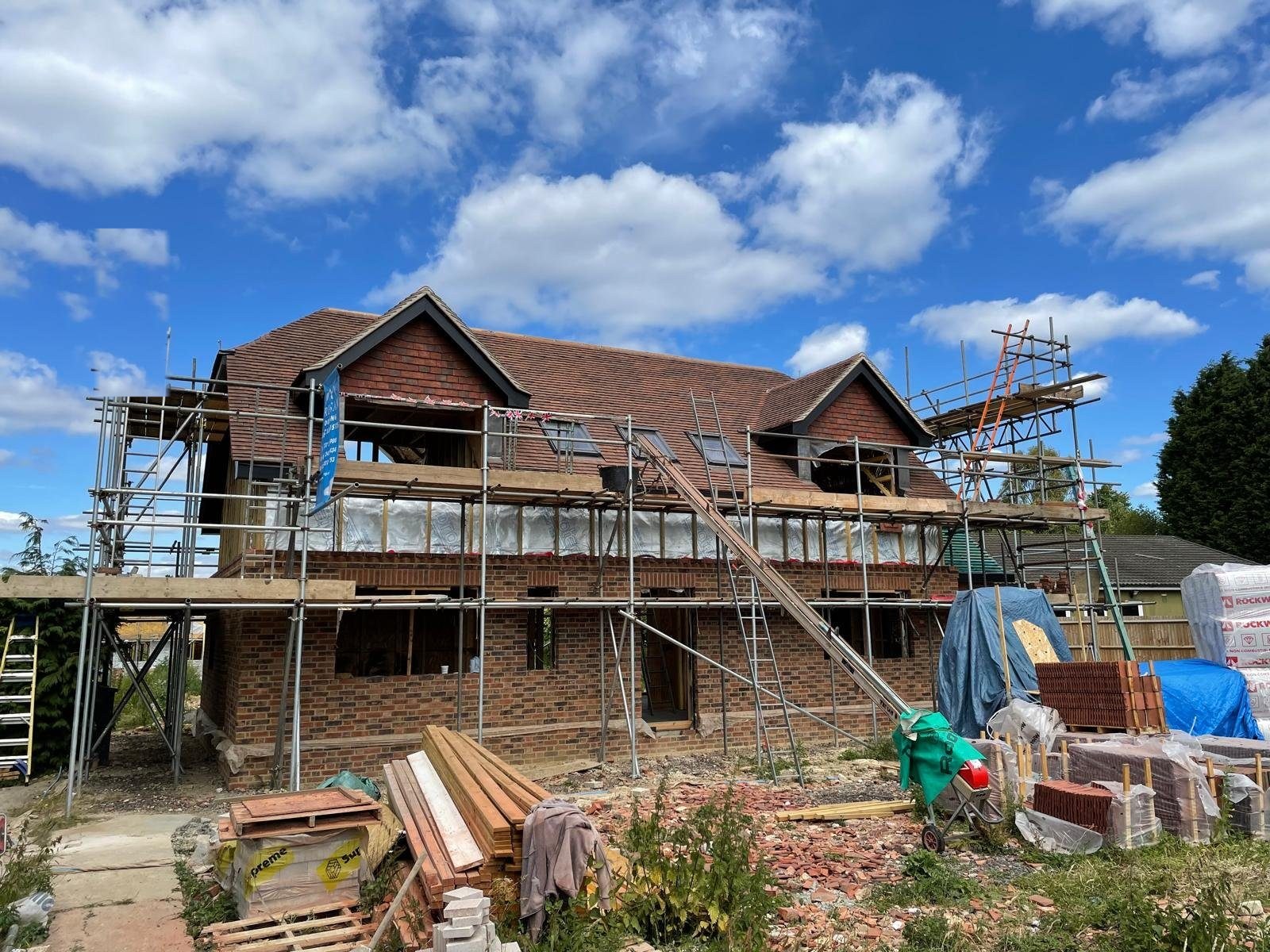
A large brick house under scaffolding with its clay tiled roof finished, part way through an I.C Developments build
Areas we cover

Builders in Coulsdon, a Surrey town with a London postcode.

Extensions, loft conversions, new builds and whole house refurbishments across CR5, from the Victorian cottages of Old Coulsdon to the interwar avenues off Woodmansterne Road and the new streets at Cane Hill. One firm, one contract, one number to ring.

CHAS Accredited SSIP Assessed Fully Insured Building since 1996
Coulsdon, CR5

A chalk valley, three eras of housing and a council most people guess wrong.

Coulsdon fills a dry valley cut into the North Downs, with the Brighton Road running along the bottom of it and the land climbing hard on both sides. Farthing Downs comes right down to the southern edge of the town, open chalk grassland in the care of the City of London Corporation, and Coulsdon Common lies over towards Old Coulsdon on the other flank. Chipstead Valley Road heads west past the shops and keeps rising. Woodmansterne Road runs north west towards the borough boundary. Reedham clings to the eastern side above the railway. Almost nothing here is level, and that is the first thing we measure when we come out to look at a job.

We are a design and build company with our office in Reigate, roughly nine miles south of Coulsdon along the A23. On an ordinary morning that is about twenty minutes, which matters more than it sounds. It means our team is on site at the start of the day rather than sitting in traffic, it means a delivery that goes wrong gets fixed the same afternoon, and it means we come back and look if something needs attention after handover. There is a spread of finished jobs on our recent work page if you want to see the standard before you ring.

The housing in CR5 arrived in three big pushes and you can read them straight off a map. Old Coulsdon was the original settlement, up the hill to the south east around its old church, and Victorian cottages and short terraces are still tucked in among everything built around them since. Then came the railway and the interwar boom, which laid out most of what you see today. Semis and detached houses from the twenties and thirties line Woodmansterne Road, Chipstead Valley Road and the streets that climb away from Reedham, with bay windows, hipped tiled roofs, pebbledash or hung tile upstairs and a long garden behind. After that came post war infill, and most recently Cane Hill on the western hill, where the old hospital grounds have been rebuilt as new houses and apartments.

Under all of it is chalk, capped in places with clay and flint. Chalk carries load well and drains well where it is sound, and behaves quite differently where a plot has been made up or backfilled, which happens more than you would think on ground that has been terraced into a hillside. So we dig trial holes and take levels before we put a figure on paper rather than after. Anyone on the low ground near the Brighton Road should also give a thought to the Bourne, the stream that only appears in this valley when groundwater sits high, because it decides where a soakaway can sensibly go.

Access is the other local habit. Long, steep roads parked up both sides do not suit a full size lorry, and a wagon that blocks Chipstead Valley Road at half past three will not be forgiven quickly. We book deliveries around the school run, use smaller vehicles where the street demands it, keep the skip on the drive wherever the drive will carry the weight and tell your neighbours before anything loud starts. We are CHAS Accredited, SSIP Assessed and fully insured, we have been building in this corner of the country since 1996, and groundworks, structure, roofing, joinery, kitchens, bathrooms and decorating all come from one team under one contract. From the soil in the ground to the keys in your hand.

Local property types

What Coulsdon is made of.

Three kinds of house, three sets of habits. Knowing which one you own decides most of what a job costs before anyone opens a wall.

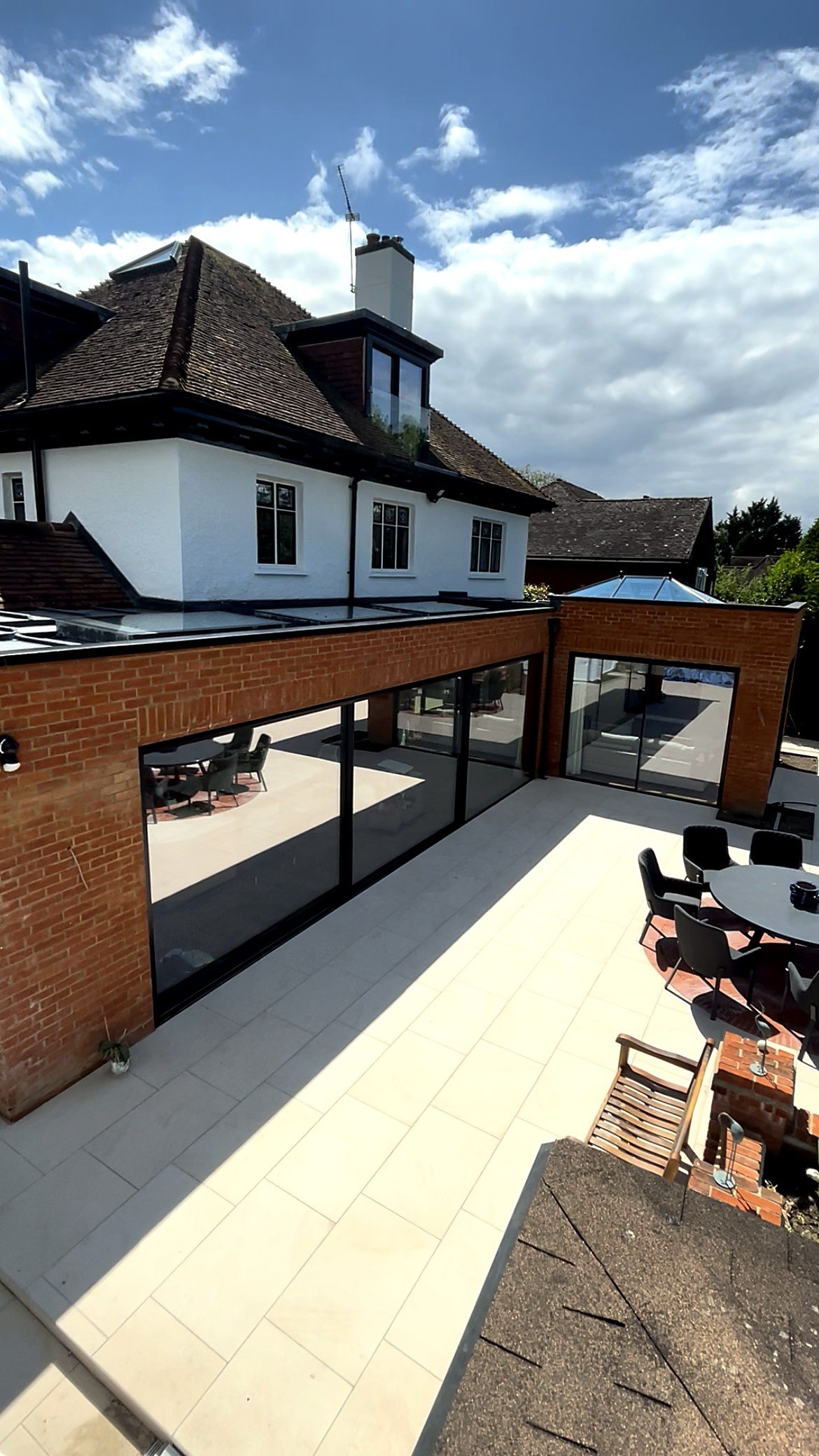
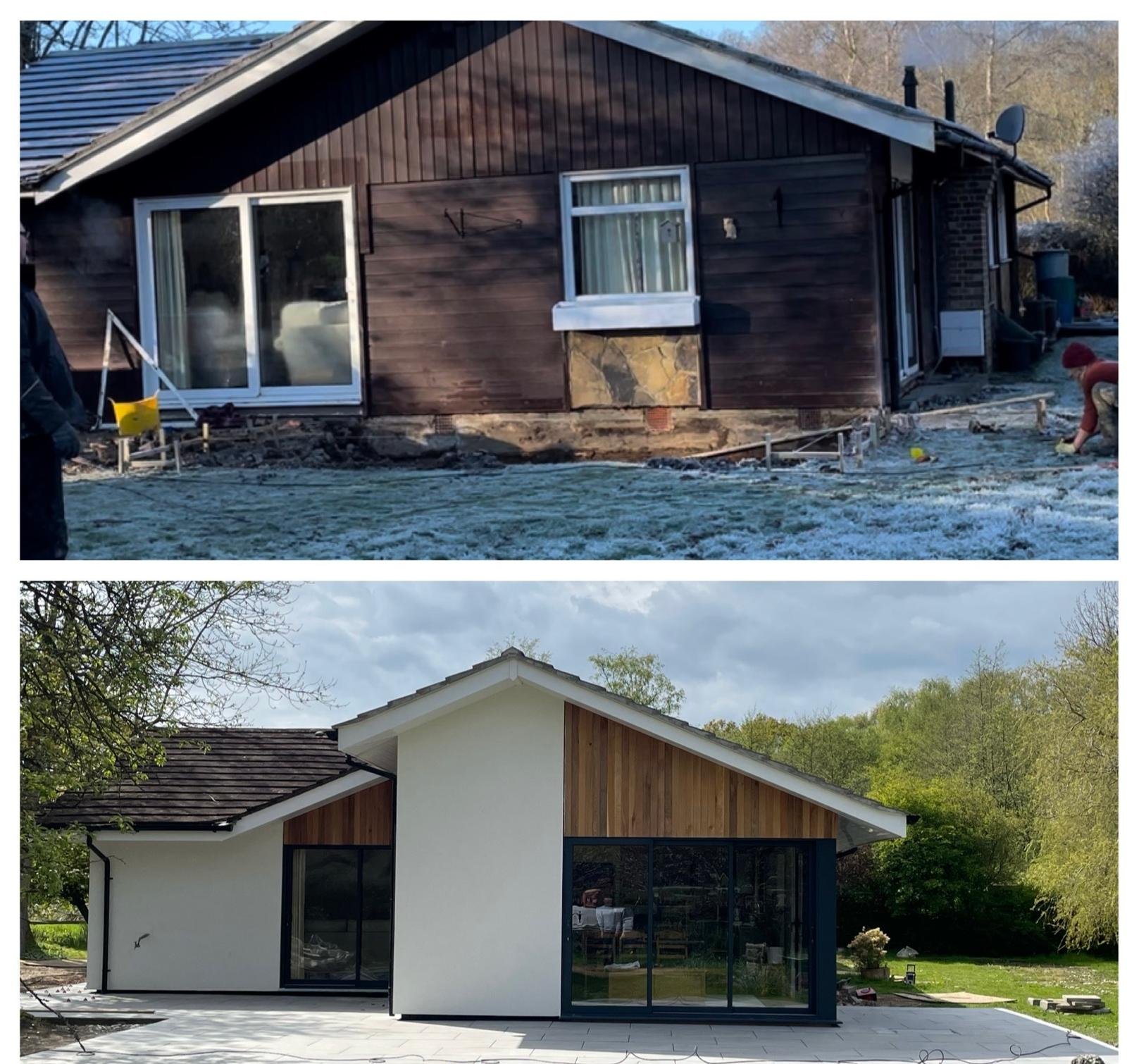
01A completed brick rear extension with dark framed glazing opening onto a paved patio
Interwar semis and 1930s detached

The twenties and thirties stock

Most of Coulsdon was built between the wars, and those houses share a recipe. A shallow strip footing by today's standards, a cavity that was never insulated, clay drainage under the back garden, a hipped tiled roof with a decent volume inside it and often an old garage with a corrugated asbestos cement roof. None of that stops a good job, it just has to be found before it is priced. Open the back of one of these houses for an extension and you are usually dealing with a foundation depth check, a drain to divert and a steel across the opening rather than a simple hole in a wall.

  • Foundation depths checked with trial holes, not assumed
  • Old clay drains surveyed, diverted or replaced properly
  • Asbestos cement handled by a licensed contractor with paperwork
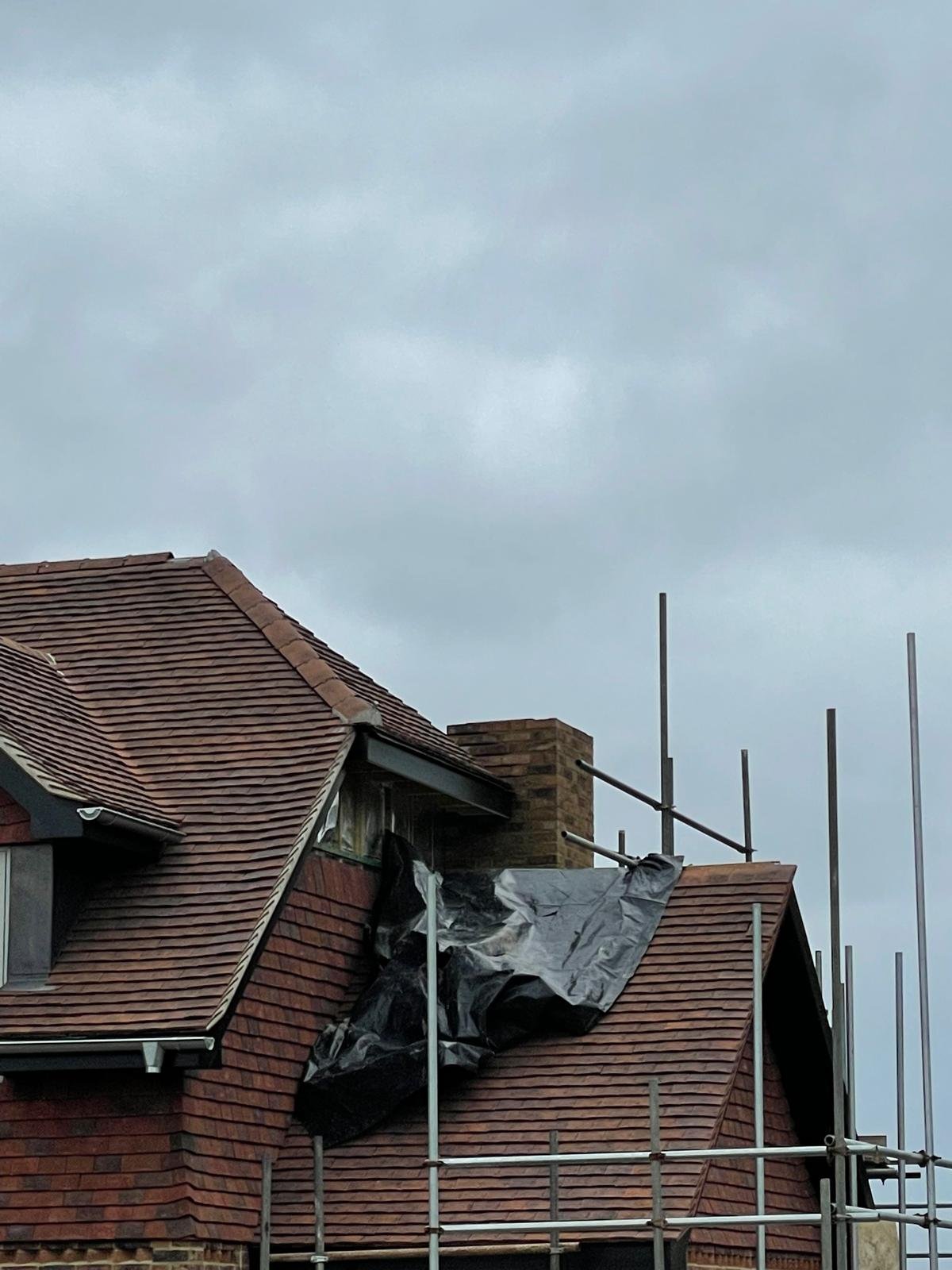
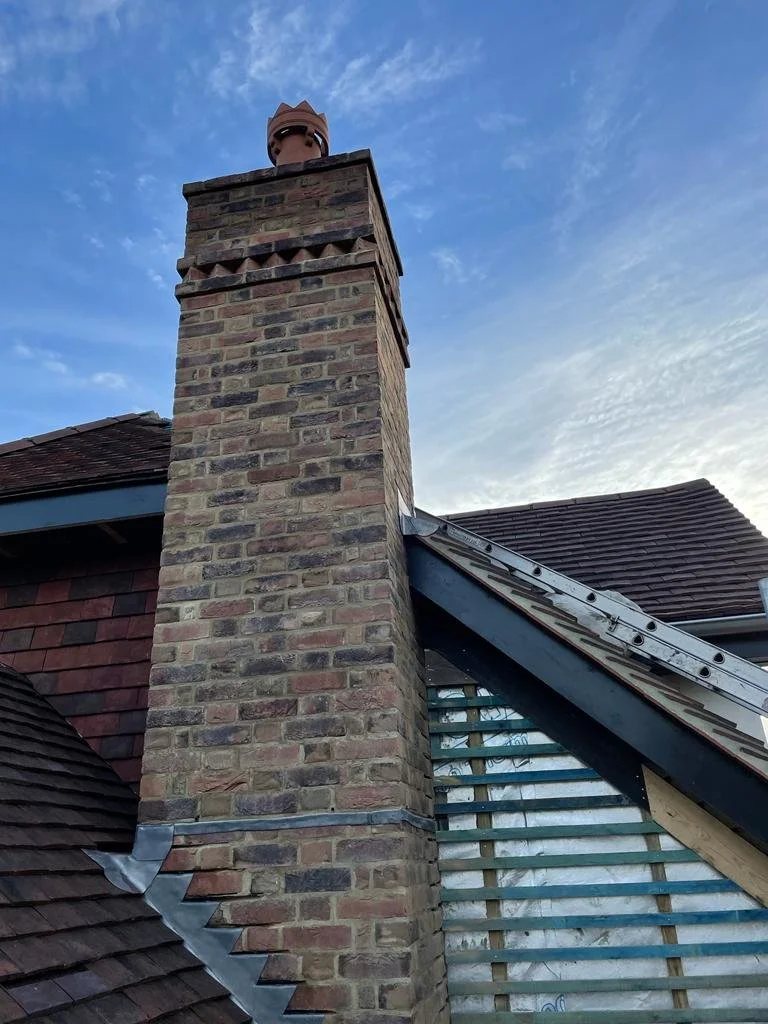
02A tile hung roof and brick chimney behind scaffolding, with temporary sheeting over an open dormer
Old Coulsdon and Cane Hill

The oldest houses and the newest

At one end of the town are the Victorian cottages of Old Coulsdon, solid brick in lime mortar with slate or plain tile above and, more often than not, no damp proof course worth the name. Wrap one of those in cement render or repoint it in the wrong mix and the wall stops breathing, which is where most of the damp people blame on the weather actually comes from. Our period restoration work exists for exactly that. At the other end is Cane Hill, where the houses are modern and sound and the obstacle is paperwork instead, because new estates commonly carry conditions and covenants that older streets never had.

  • Lime mortars and breathable finishes on solid walled cottages
  • Roofs, chimneys and rainwater goods put right before decoration
  • Estate conditions and covenants read before a drawing is paid for
What we do here

Six services, shaped by CR5 houses.

The same six things we do everywhere, applied to the stock that actually stands in Coulsdon.

On the tools

Structure first, then the nice bits.

The parts of a job nobody photographs, and the rooms that only look right because those parts were done properly.

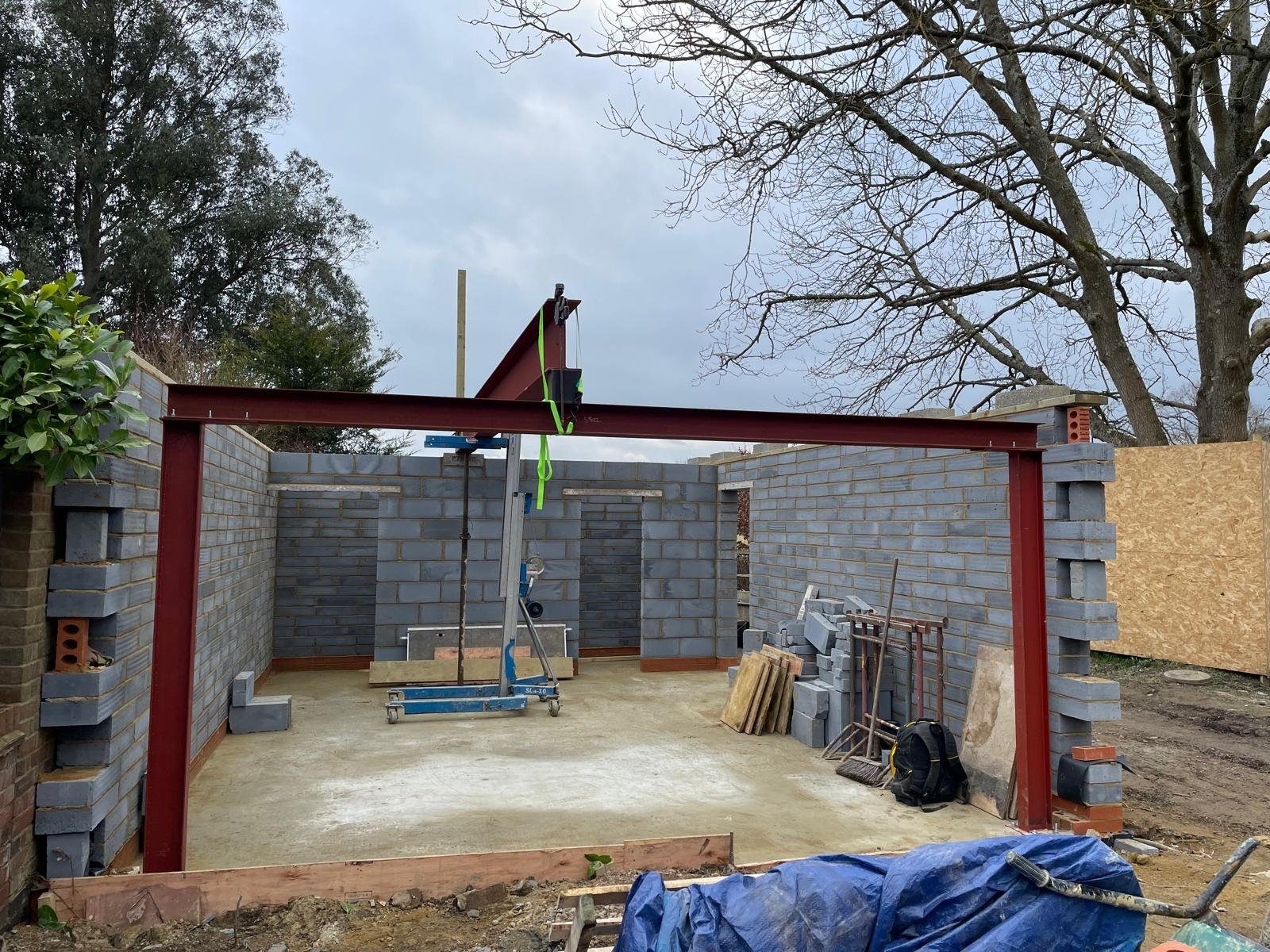
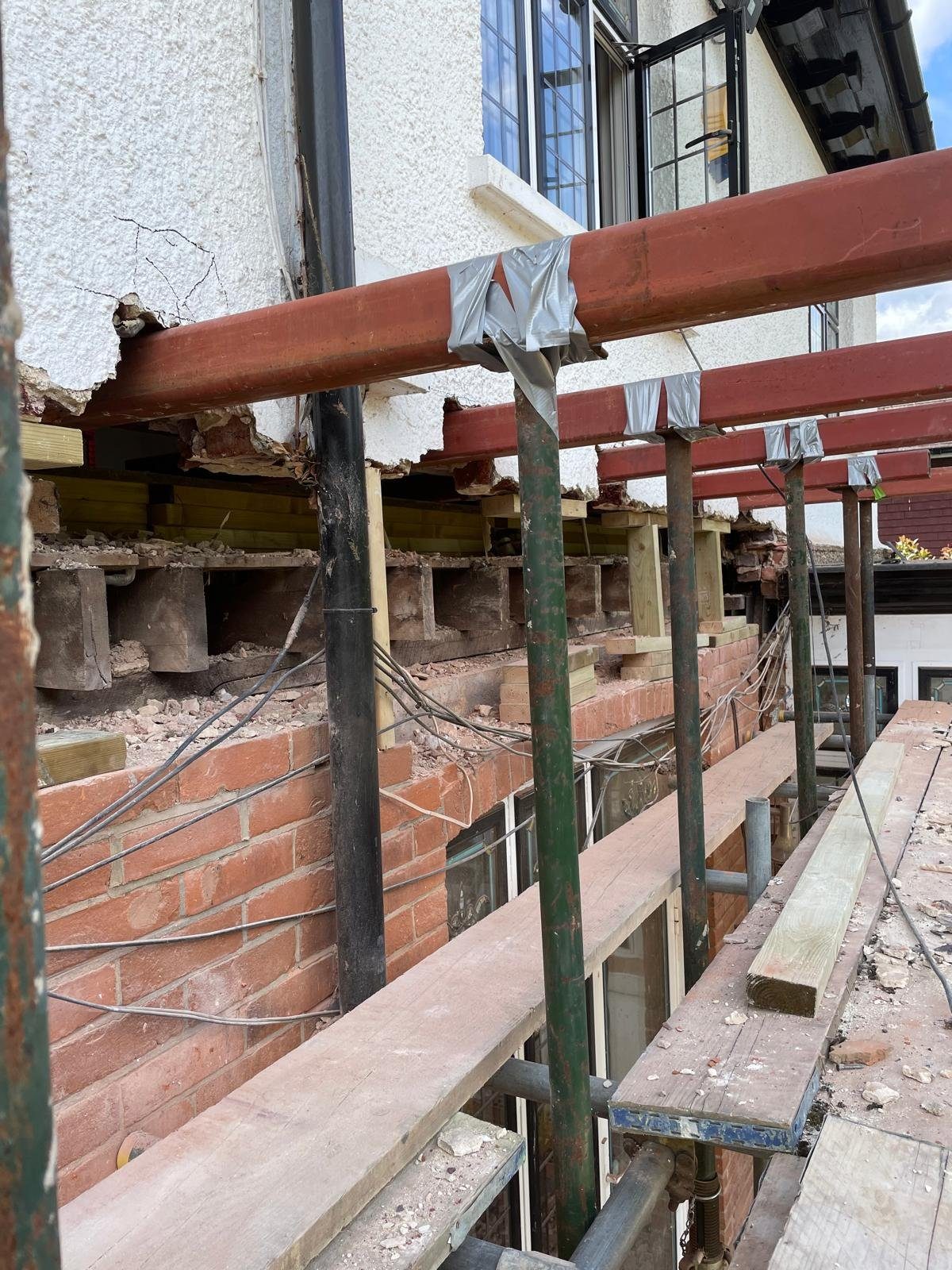
A structural steel beam installed across a new opening during a build
Steel across the opening
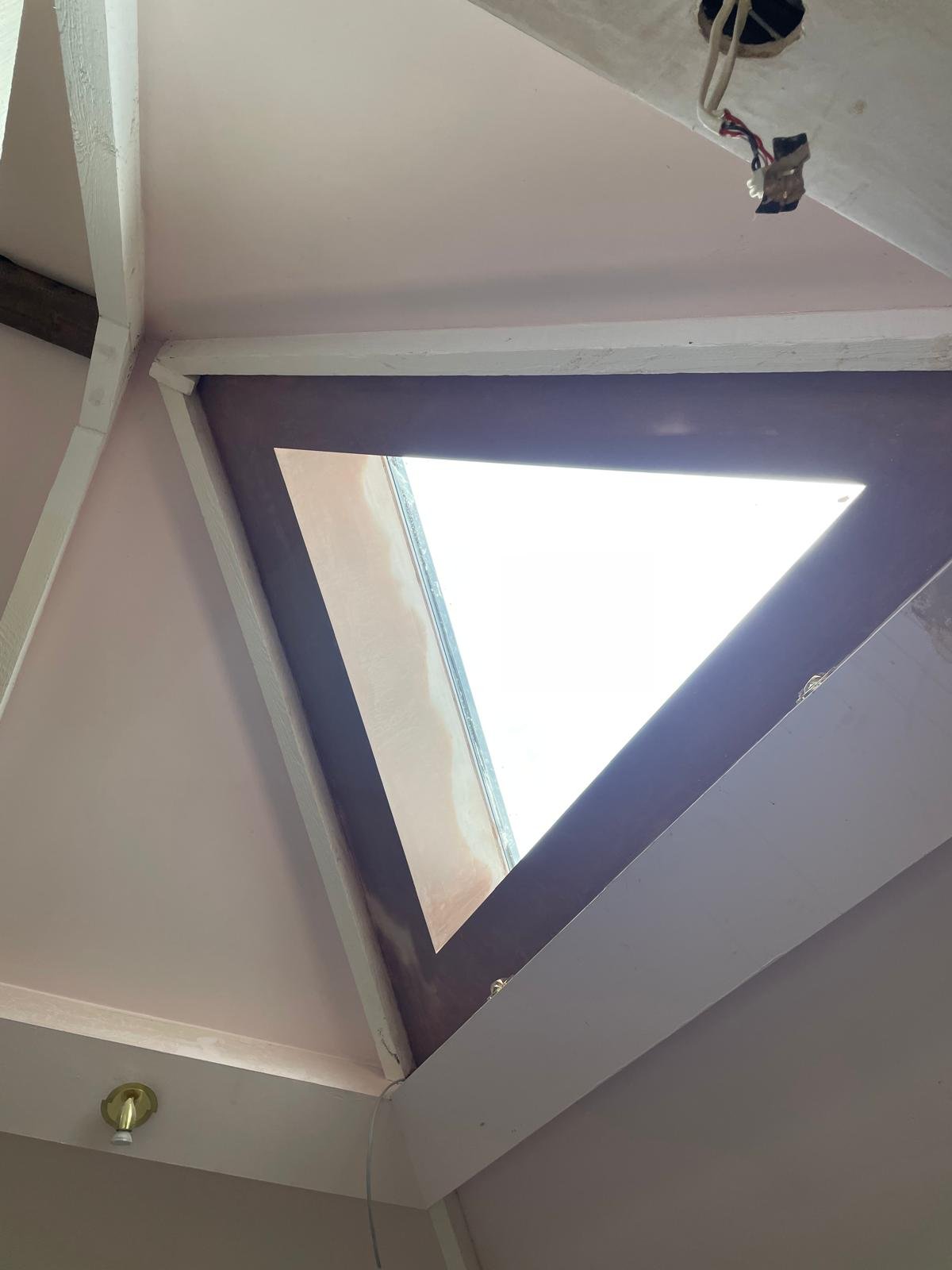
A triangular rooflight set into a vaulted plastered ceiling, letting daylight into the room below
Daylight from above
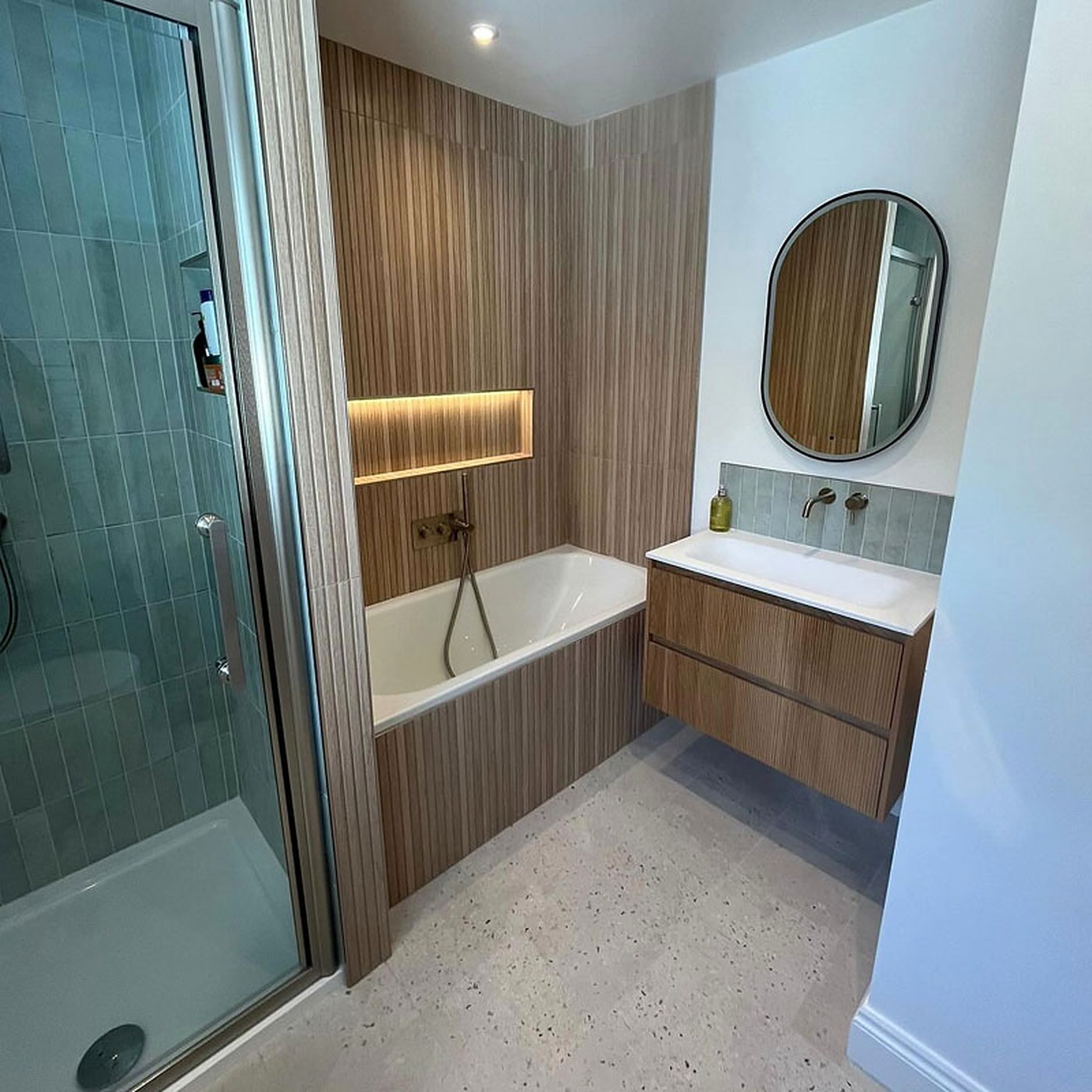
A finished bathroom with a glazed shower enclosure, a panelled bath and a wall hung timber vanity unit
Finished bathroom
Where we work in CR5

The neighbourhoods, one at a time.

Coulsdon is not one place. Here is what changes for a builder as you move around it.

Old Coulsdon
The original village up the hill to the south east, gathered around its old church. Victorian cottages and terraces sit among a lot of post war housing, so two neighbours can need completely different answers on damp, walls and roofs.
Coulsdon town and Reedham
The centre along the Brighton Road, with Reedham climbing the eastern side above its station. Mostly interwar semis and detached houses, and most of them still have the garden depth for a proper kitchen extension.
Cane Hill
The newer development on the old hospital ground above the town. Modern construction and tighter plots, which usually means the design is easy and the permissions are the slow part.
Woodmansterne Road
A long run of twenties and thirties housing heading north west out of town. Wide frontages, useful gaps between houses for a two storey side extension, and driveways that will normally take a skip and a grab lorry.
Chipstead Valley Road
Shops at the bottom, then a steady climb west with houses on both sides. Narrow, busy and parked solid in the middle of the day, so deliveries here get booked for the quiet hours and nothing is left on the carriageway.
Farthing Downs
Open chalk downland in the care of the City of London Corporation, reaching right up to the back fences on the southern edge. Homes that face it are on the Green Belt boundary and their applications get read far more carefully.
Coulsdon Common
More common land over on the Old Coulsdon side, with lanes and older properties around its edges. Access is often the real constraint here rather than the design, so we size the plant to the lane.
Chipstead, Hooley and Netherne
West and south of the town. Chipstead has older cottages and large houses in wooded plots, Hooley sits low on the A23 beneath the motorway, and Netherne on the Hill is a second converted hospital site with rules of its own.
Kenley, Purley and Woodmansterne
Kenley and Purley in CR8 over the hill to the east, and Woodmansterne village to the north west, which crosses out of Croydon into Reigate and Banstead and therefore into a different set of planning policies.
Planning and permissions

Croydon, not a Surrey district.

The single most useful thing to understand before you start drawing anything in Coulsdon.

Your council is the London Borough of Croydon.

Coulsdon has a Surrey address on the envelope and a London council on the planning file. For almost all of CR5 the local planning authority is Croydon, which means the London Plan sits above the borough's own local plan, and a scheme large enough to trigger community infrastructure levy pays the Mayor of London's charge as well as Croydon's. Nobody meets that a few miles down the road in Reigate and Banstead or Tandridge, and it is worth knowing early rather than at the invoice.

We do not employ architects. We work alongside your architect or designer, or we can introduce you to architects we have used for years, and we feed in the buildability and the cost while the drawings are still cheap to change. If you would like to see how we run a job from that point on, our about page explains who does what, and our Caterham page covers the Tandridge side of the downs if your search has taken you across the boundary.

  • Permitted development still exists here. Many single storey rear extensions and rear dormer lofts on the older houses fall inside it, which saves months and a fee. We check your address rather than assume.
  • Conservation areas and article 4. Croydon has designated conservation areas and used article 4 directions in parts of the borough, and either can remove the rights you were counting on.
  • Green Belt on three sides. Farthing Downs, Coulsdon Common, the Happy Valley and the open land towards Chipstead are all Green Belt, and extensions on those boundaries are judged against the original house.
  • Newer estates carry conditions. At Cane Hill and Netherne, permitted development rights are frequently stripped out at approval, and estate covenants can bite even where planning would not.
How a Coulsdon job runs

Four stages, and no surprises.

You will always know which stage your house is at, what happens next and who is on site that week.

1

Look, measure, price

We come to the house, take levels, dig trial holes where the ground is a question and look at how a lorry would actually reach you. Then you get a written, itemised figure with the awkward parts named rather than buried.

2

Drawings and permissions

Your architect or designer draws the scheme and we sit alongside them on buildability. We establish whether it is permitted development or a Croydon application, get the structural calculations done and lodge the building control notice.

3

Ground, structure, weathertight

Foundations, drainage and retaining first, then the walls, the steel and the roof. Once the shell is closed in, the inside work carries on whatever the weather over the downs is doing that week.

4

Fit out and handover

First fix, plaster, joinery, kitchen, bathroom and decoration by skilled craftsmen who have worked together for years. We snag it ourselves, then walk it with you and hand over the certificates and the keys.

Why us

Why Coulsdon homeowners ring us.

Good to know

Coulsdon questions.

Which council handles planning for building work in Coulsdon?
Croydon Council for almost all of CR5, because Coulsdon sits inside the London Borough of Croydon rather than one of the Surrey districts. That catches people out, and it matters, because the London Plan sits above Croydon's own local plan and a big enough scheme can pick up the Mayor of London's community infrastructure levy on top of the borough charge. The far western edge, out past Woodmansterne Road towards Woodmansterne village, crosses into Reigate and Banstead. We check which side of that line your address falls on at the first survey, before anybody spends money on drawings.
Is a rear extension in Coulsdon permitted development?
Often, on the older houses. Plenty of single storey rear extensions and rear dormer loft conversions on the interwar semis around Reedham, Woodmansterne Road and Chipstead Valley Road sit inside permitted development, which is quicker and cheaper than a full application. Two things commonly stop it. One is a conservation area or an article 4 direction, and Croydon has used both in parts of the borough. The other is a planning condition on a newer estate such as Cane Hill, where permitted development rights are frequently removed when the houses are first approved. We check both at the survey.
Our garden falls away steeply. Does that make the job dearer?
Usually a little, and it is far better to know at the start than halfway through. Most of Coulsdon is built up the sides of a chalk valley, so a back garden that drops two or three metres is completely normal. That can mean stepped foundations, a retaining wall, more spoil to cart off site and a longer run to get surface water somewhere sensible. None of it is hard work, it simply has to be measured and priced. We take levels and dig trial holes before we quote, so the slope shows up in the figure rather than in a variation later.
What about the Green Belt around Farthing Downs and Coulsdon Common?
The rules there are much tighter and the wording matters. Farthing Downs, Coulsdon Common and a good deal of the open land west towards Chipstead are Metropolitan Green Belt, and a house that backs onto it is usually held to a strict limit on how much bigger it is allowed to get. Replacement dwellings and outbuildings are judged against the original house rather than against whatever stands there now. We say honestly what we think will get through and what will not, and we work alongside your architect on the application.
Do you deal with building control and party wall notices?
Yes to both. Structural work needs building control sign off, either through Croydon Council or a private building control approver, and we book the inspections at the right stages, which usually means foundations, drainage, steel, insulation and completion. We meet the inspector on site ourselves. Coulsdon is full of semis and linked houses, so notices under the Party Wall etc. Act 1996 come up regularly, and we raise it early because the notice periods are the part that quietly eats into a programme.
Which parts of Coulsdon and the area around it do you cover?
All of CR5 and the ground around it. That means the town centre and Reedham, Old Coulsdon and Coulsdon Common, Cane Hill, and the roads running off Woodmansterne Road and Chipstead Valley Road. Beyond that we work in Chipstead, Hooley and Netherne on the Hill, over towards Kenley and Purley, and back down the A23 through Merstham to our own patch. Reigate to Coulsdon is roughly nine miles, so it is a short run for us and the team is on site at the start of the day rather than the middle of it.
Explore more

Where to go next.

Start your project

Let’s build something lasting.

from the soil in the ground to the keys in your hand