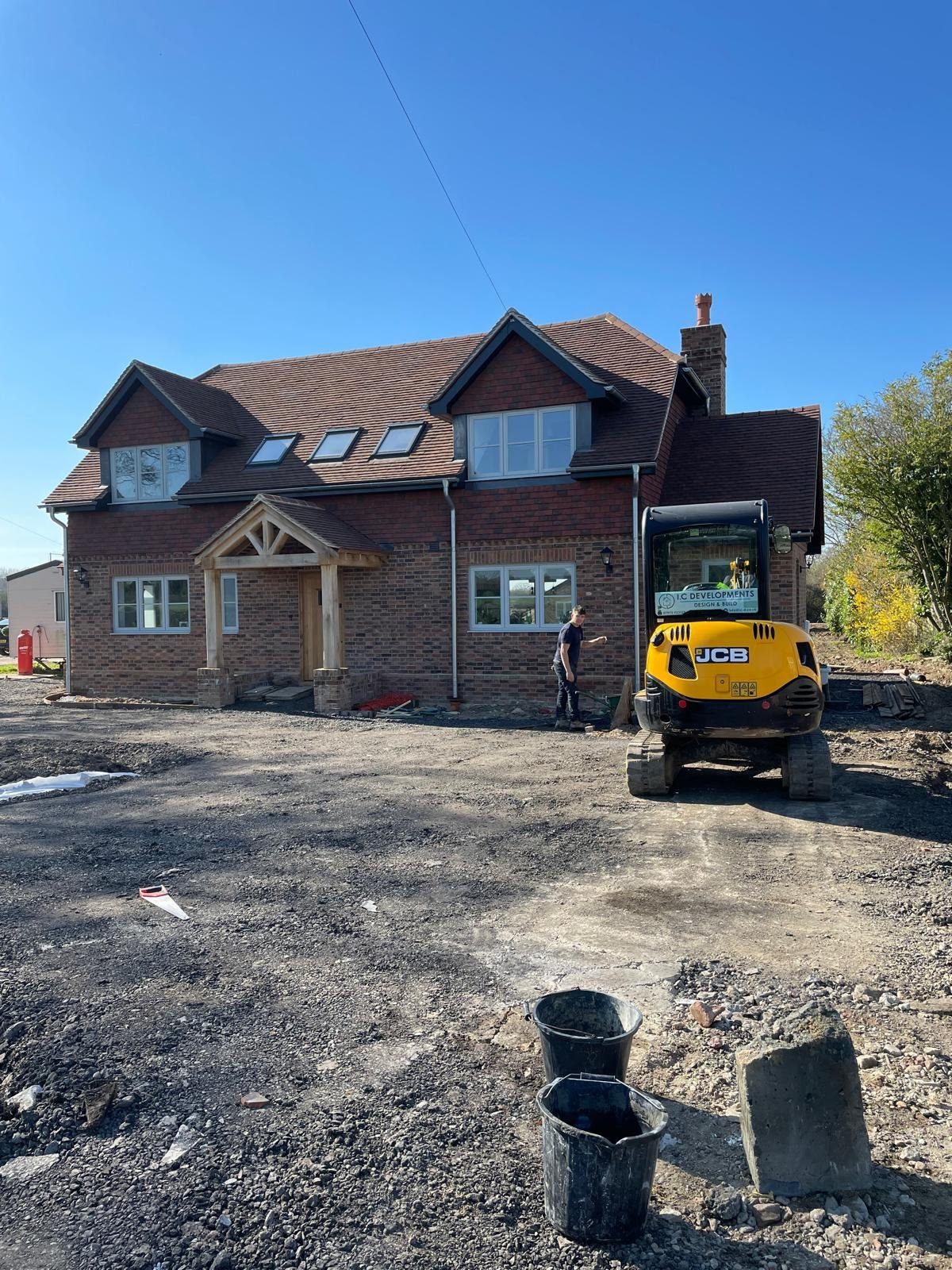
Extensions, loft conversions, new builds and full refurbishments across SM7, from the High Street and the wide 1930s avenues of Nork out to Woodmansterne, Chipstead, Burgh Heath and Kingswood. One team, from the first survey to the last coat of paint.
Deep plots, wide verges and a town built mostly in the 1930s. For a builder, Banstead is generous ground.
Banstead sits up on the chalk of the North Downs, high enough that the air feels different from the valley towns below it. It has kept its own centre, with the High Street, Bolters Lane and Park Road holding a proper run of independent shops rather than a retail park, and All Saints church anchoring the older end of the village. Step a few hundred yards in almost any direction and you are on open ground. Banstead Downs to the north, Park Downs and Banstead Wood to the south, and the golf courses and commons in between. The A217 runs down the western edge, Croydon Lane heads east towards Woodmansterne, and Fir Tree Road takes you across to Tattenham Corner and the racecourse. It is a town with fields at the end of the road, which is exactly why people move here and then decide to extend rather than leave.
The housing is what makes it such good ground for building work. Most of Banstead went up between the wars, when the big estates were broken up and laid out as generous suburban roads. Nork is the clearest example of it, built out from the 1920s across the old Nork Park land, with wide grass verges, tree lined avenues and detached and semi detached houses set well back from the road. The pattern repeats along Nork Way, Warren Road, Chipstead Way and Garratts Lane. Hipped tile roofs, bay windows, pebbledash or hung tile at first floor, a garage or a side gap down one flank, and a long back garden. Nearer the village and along the older lanes there are Victorian and Edwardian properties and a few genuine cottages, while out towards Kingswood the houses get larger and sit in wooded plots of their own. Add post war infill, a scattering of 1960s and 1970s closes and some newer developments, and almost every kind of job we do turns up somewhere in SM7.
That 1930s stock is close to ideal for what most families want, which is why so much of our Banstead work is rear extensions and loft conversions. The plots are deep, so there is usually room to come out the back without losing the garden. The gap between houses often allows a two storey side extension where a terraced street never could. The roofs are big and simple, so turning a hip to a gable and putting a dormer in behind it produces a proper double bedroom with an ensuite instead of a cupboard with a rooflight. The catch is that a house of that age has its own habits. Foundations that are shallow by modern standards, a cavity that was never insulated, original clay drainage, lath and plaster where you were hoping for something easier, and very often a corrugated asbestos cement roof on the old garage that needs a licensed contractor rather than a hammer and a skip. We survey all of it before we price, so the surprises land in the quotation rather than halfway through the build.
The ground underneath is generally kind. Chalk carries load well and it drains, so soakaways often work here where they would fail on the heavy clay further south, but it is not uniform. There are flint bands, pockets of clay with flints and, in places, made ground where an old plot has been split. The mature trees that make the Nork avenues so pleasant also help decide how deep a foundation has to go. We check levels and dig trial holes before we commit to a figure. Access is usually easier than in the older towns because nearly every house has its own drive, though the verges that give Banstead its character are ruined in about ten seconds by one badly parked lorry. We board them, we keep plant on the plot, and we warn the street before anything loud starts.
Planning here sits with Reigate and Banstead Borough Council, the same authority that covers our own office in Reigate, so it is familiar ground for us. A good deal of single storey rear work and a good number of rear dormer lofts fall under permitted development on these houses, which is quicker and cheaper. Go two storey, come forward of the building line, or sit against the Green Belt that wraps the town, and you are into a full application. The borough has conservation areas too, and many of the between the wars roads were sold with covenants written into the deeds that have nothing to do with planning law and can still stop a scheme. We do not employ architects. We work alongside architects and designers, either yours or people we have known for years, and we give them the buildability picture at the start so the drawings that go in are drawings that can actually be built. We have been building in this corner of Surrey since 1996, we are CHAS Accredited, SSIP Assessed and fully insured, and groundworks, structure, roofing, joinery, kitchens, bathrooms and decorating all come from one team under one contract. From the soil in the ground to the keys in your hand.
The same six things we do everywhere, shaped by what Banstead houses actually need.
 01
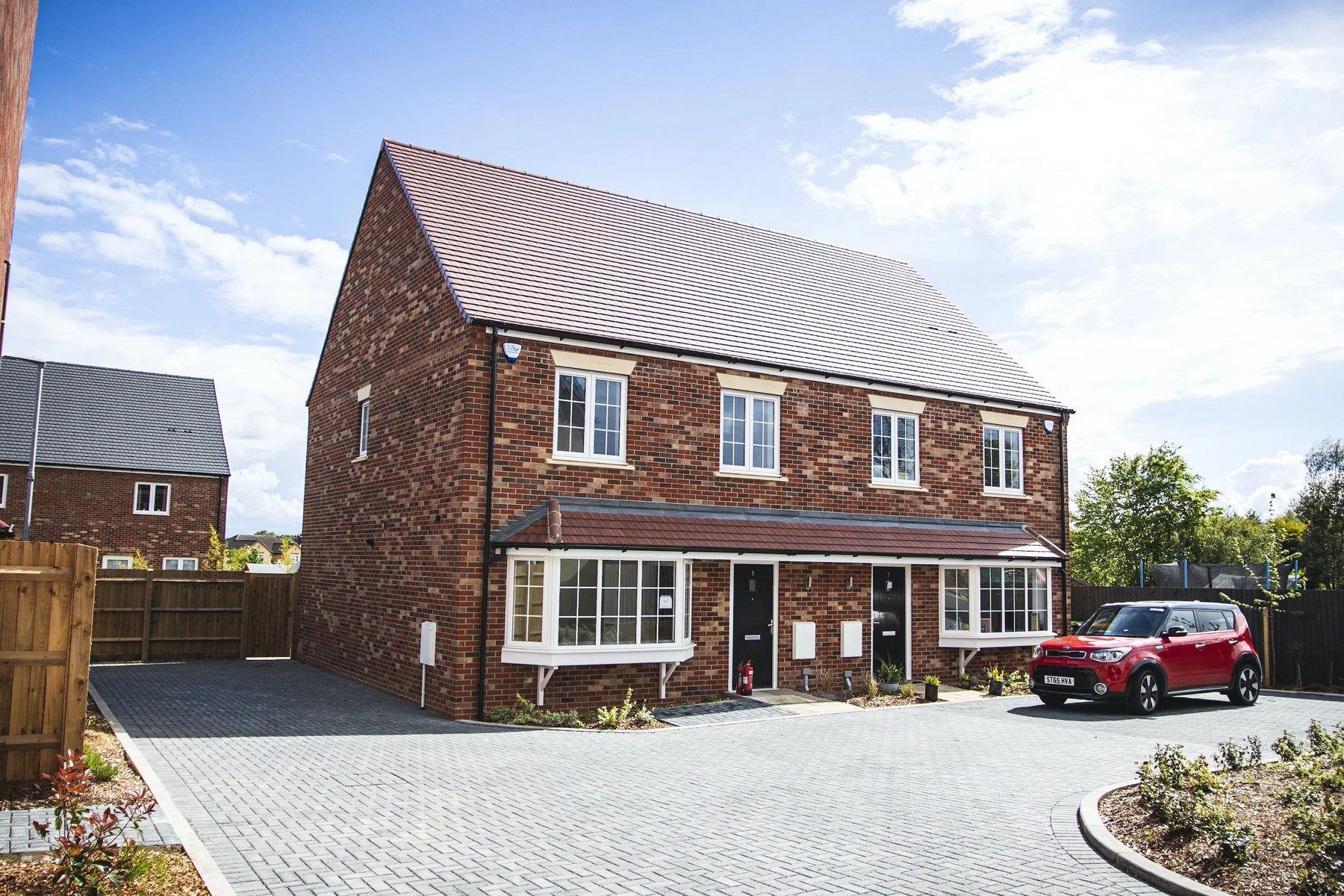
01One off houses and replacement dwellings on the wide plots around Banstead and Kingswood, where a tired between the wars bungalow makes way for a family home with room to breathe.
Explore new builds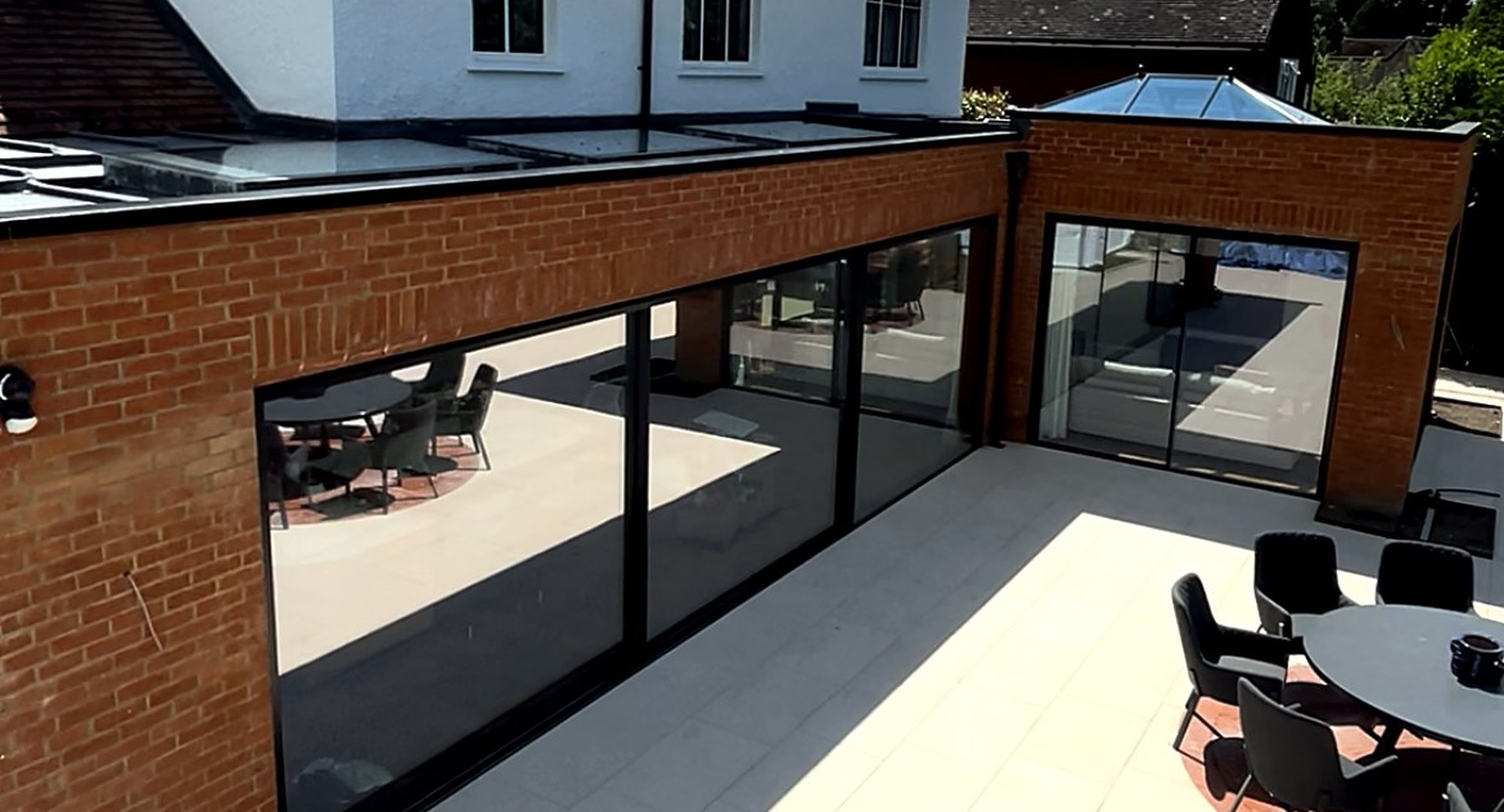 02
02Rear, side and wraparound extensions on the 1930s semis and detached houses, using the depth of the garden to open the back of the house up to the light.
Explore extensions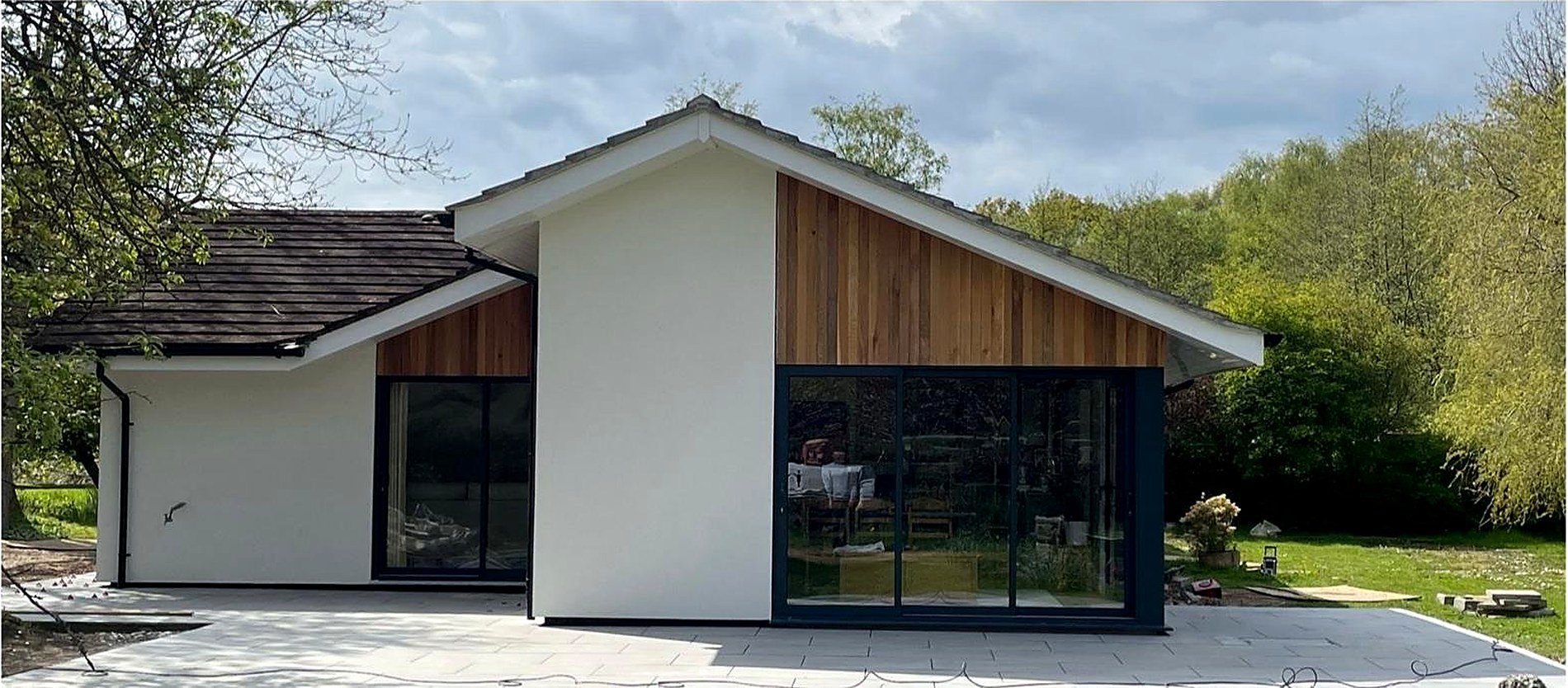 03
03Whole house works on Banstead homes that have not been touched in decades. Rewires, replumbs, new heating, insulation, windows and every room brought up to date in one calm programme.
Explore refurbishments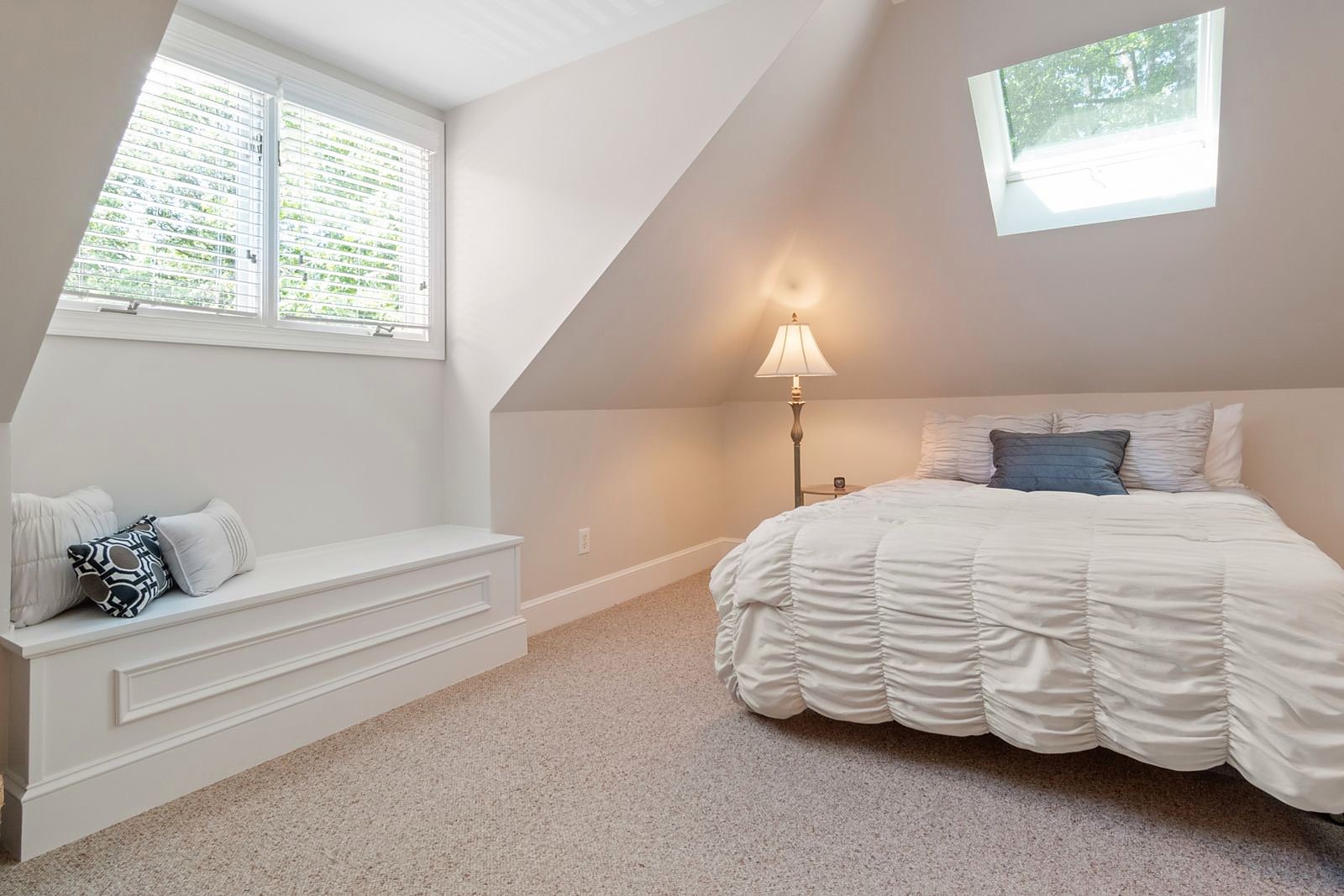 04
04Hip to gable and rear dormer conversions on the local semis, turning a big empty roof into a double bedroom, an ensuite and a staircase that feels like it belongs.
Explore loft conversions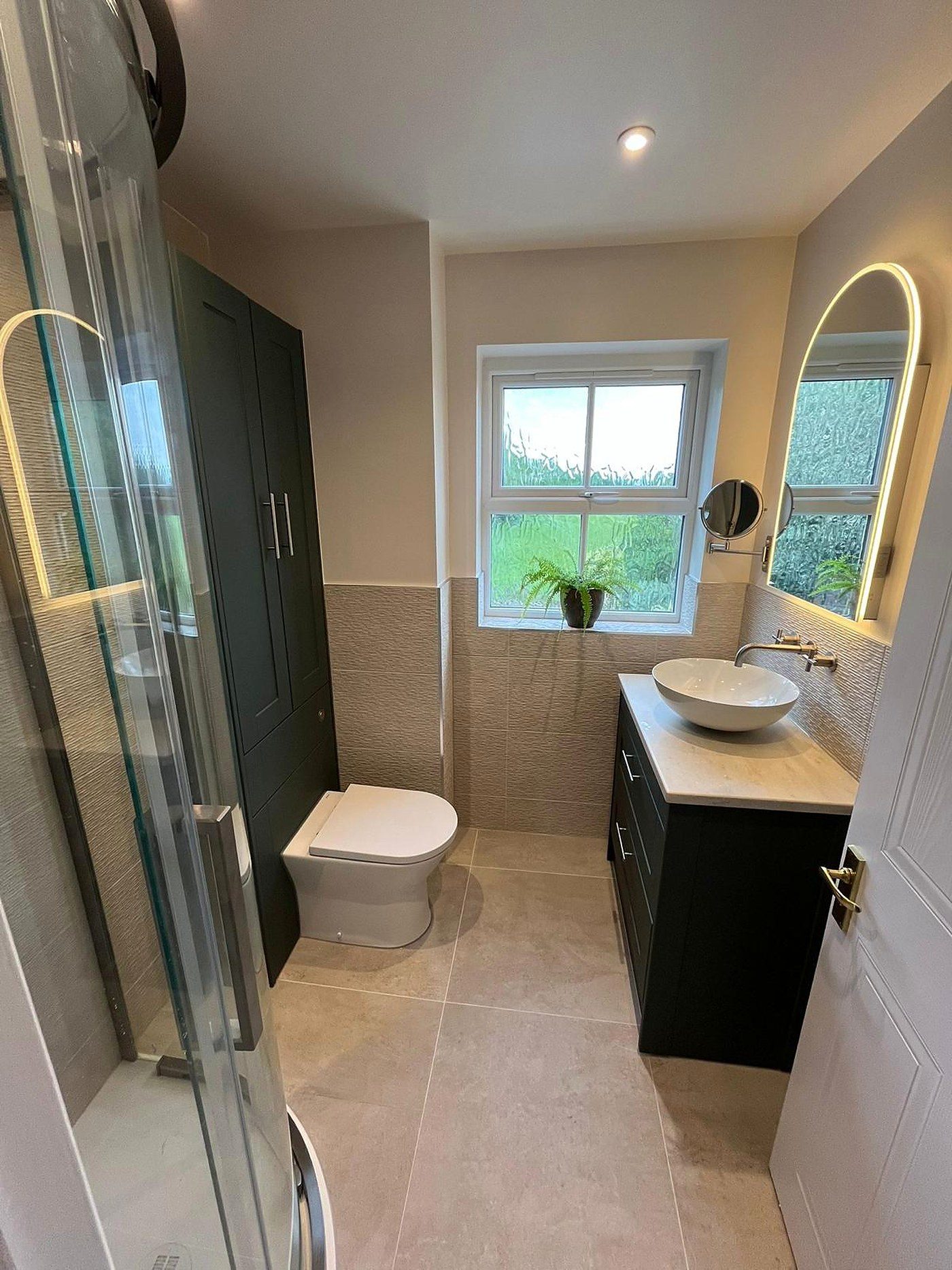 05
05Throwing the old kitchen, dining room and pantry into one room, and turning a chilly 1930s bathroom into something warm, tiled and quiet.
Explore kitchens and bathrooms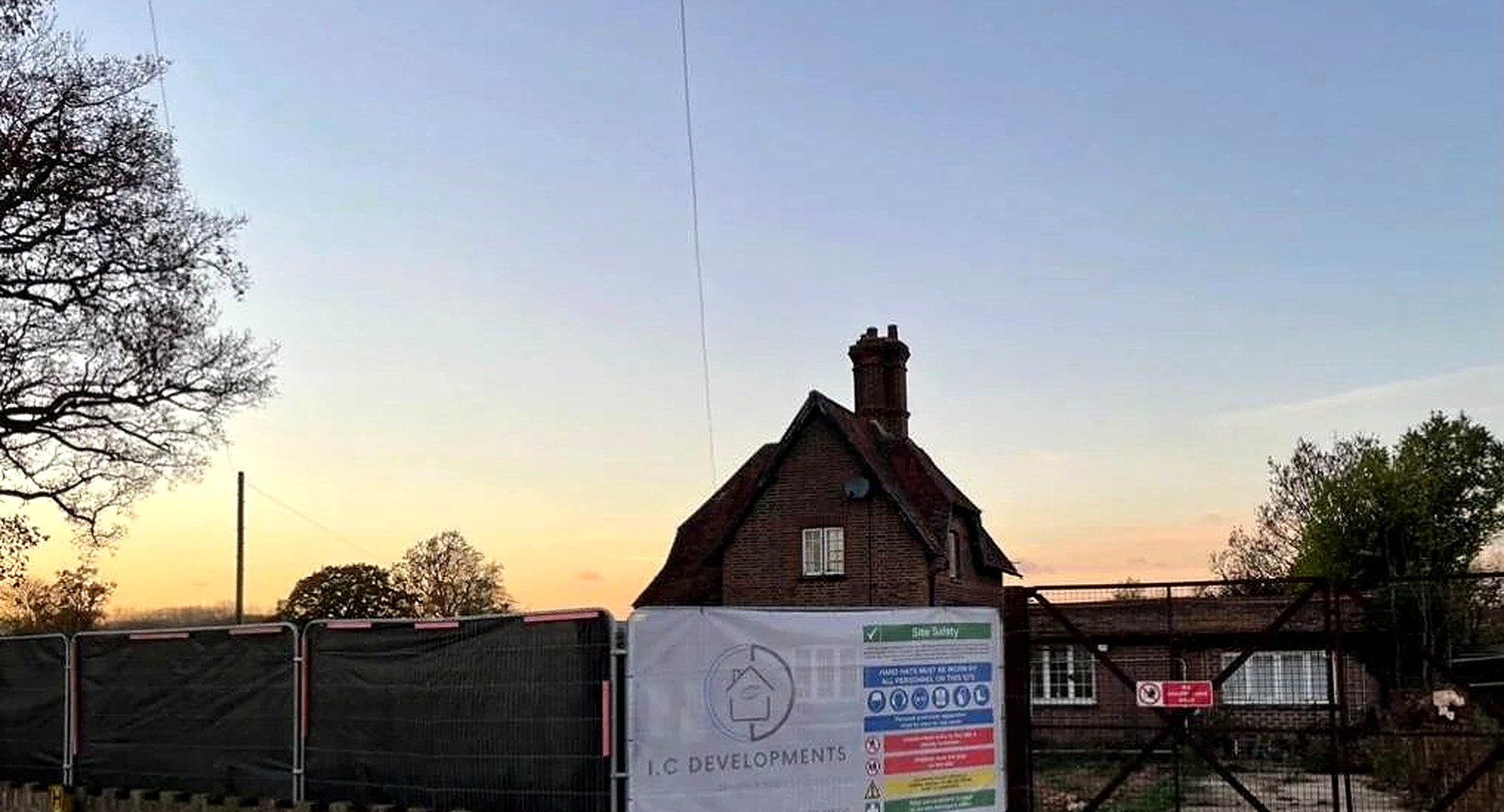 06
06Brickwork, sash windows, chimneys, roofs and damp on the older properties near the village and the cottages out towards Chipstead and Woodmansterne.
Explore period restorationBanstead and the country around it, from the downs across to Sutton and back down the A217 towards home.
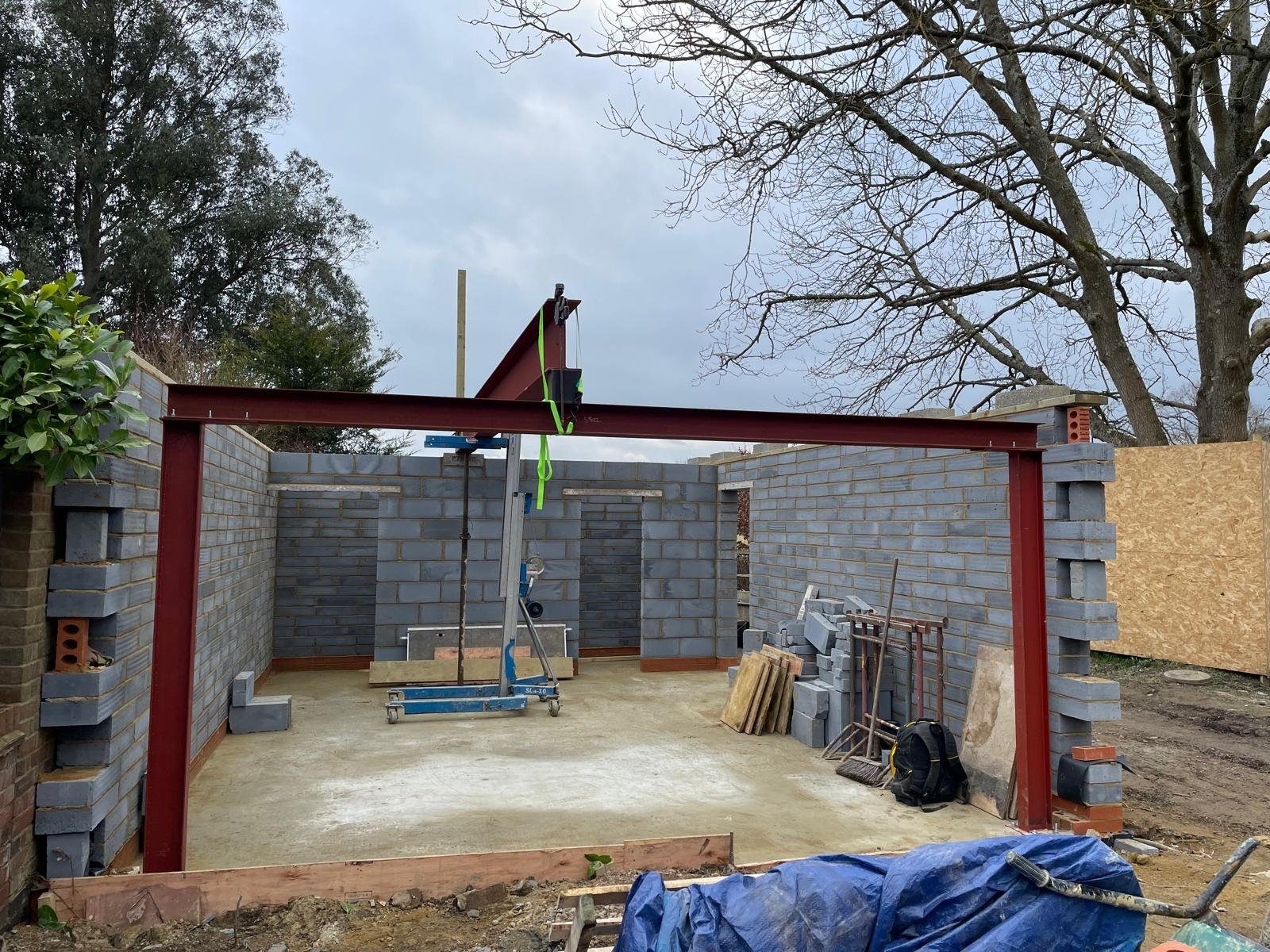
The three stages that matter most on a 1930s home, and what they add up to.
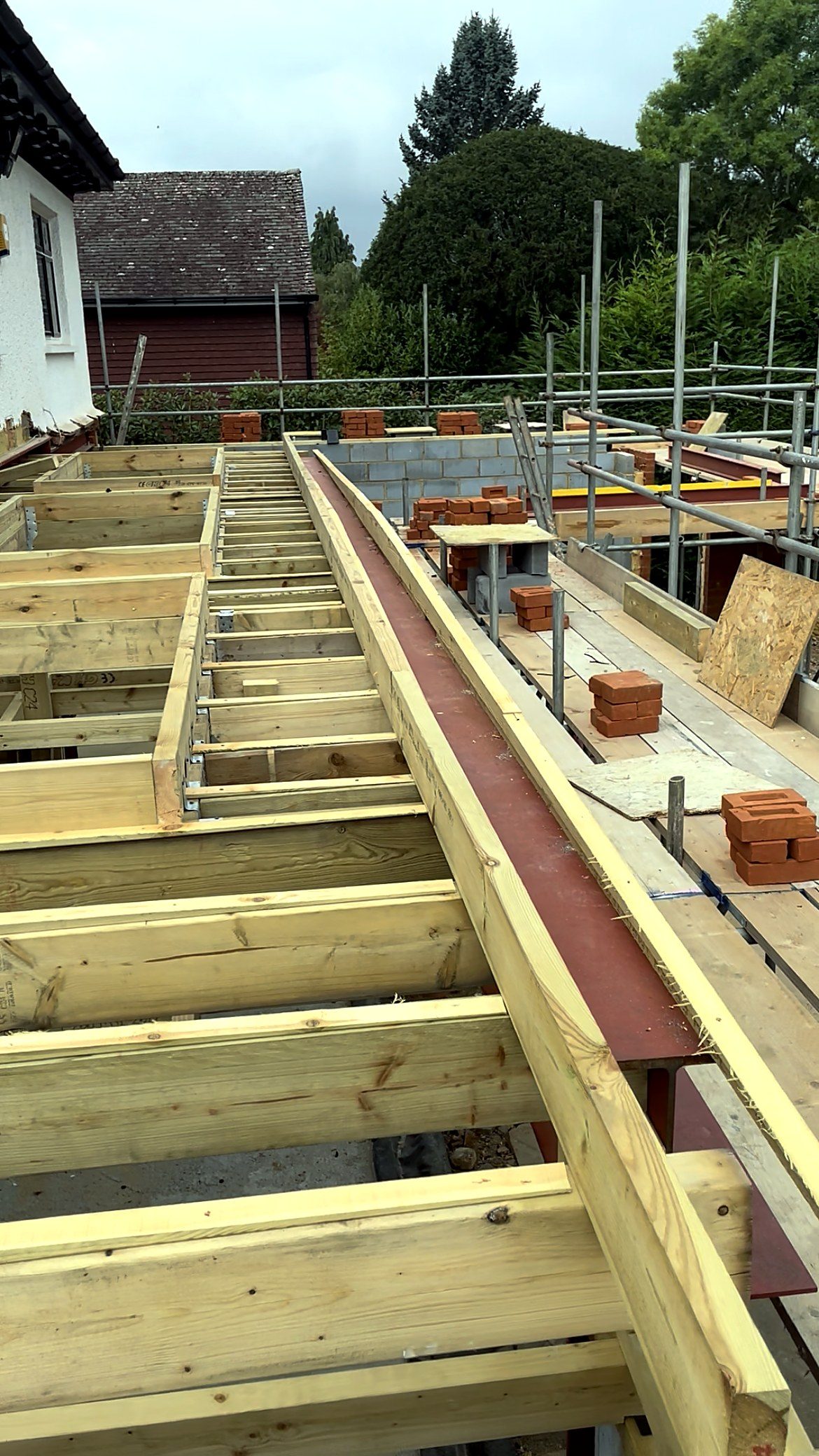
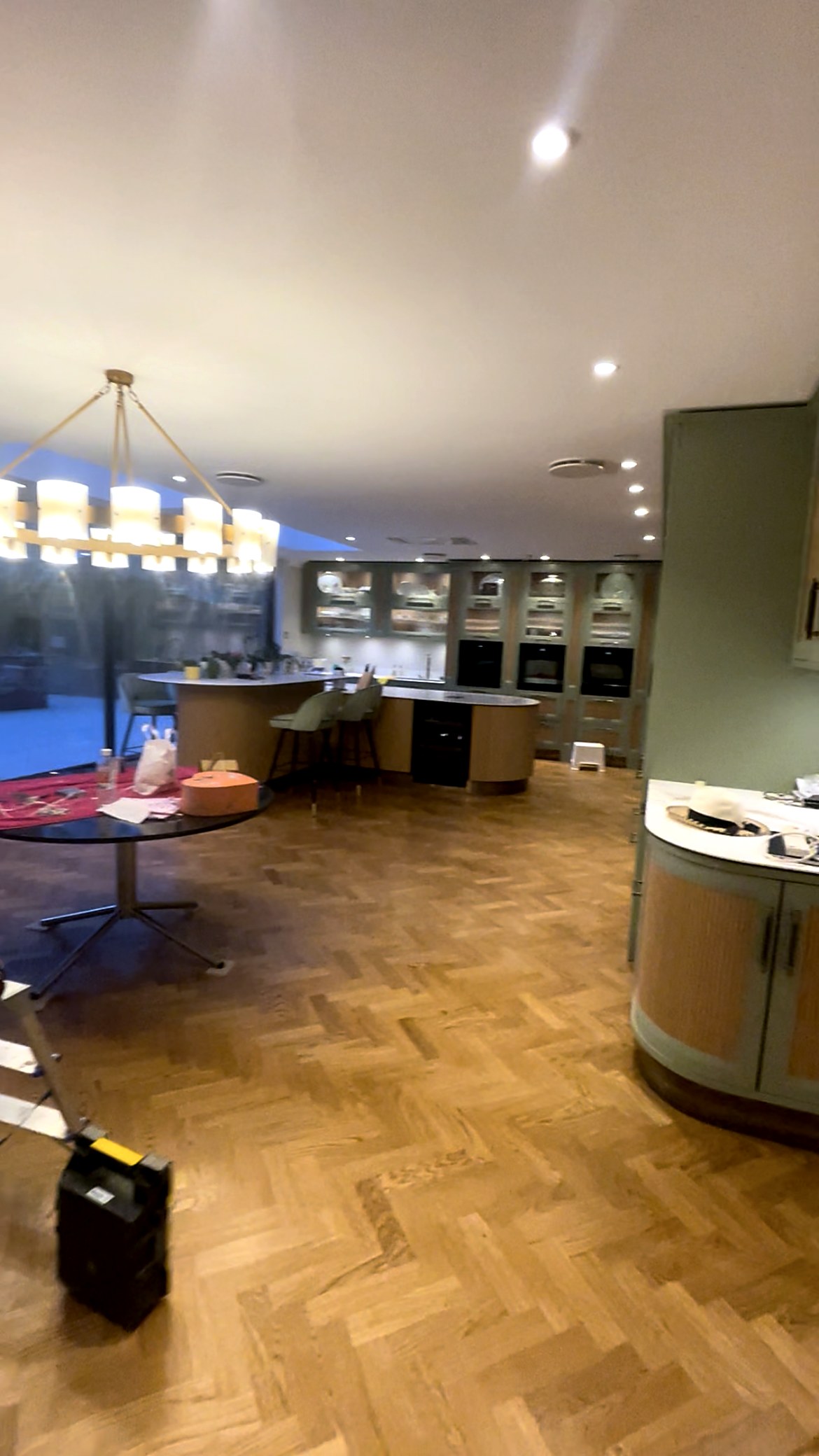
from the soil in the ground to the keys in your hand